· Updated
What Is Restaurant CRM and How Does It Help You Understand Your Customers?
Repeat customers don't come back just for the food
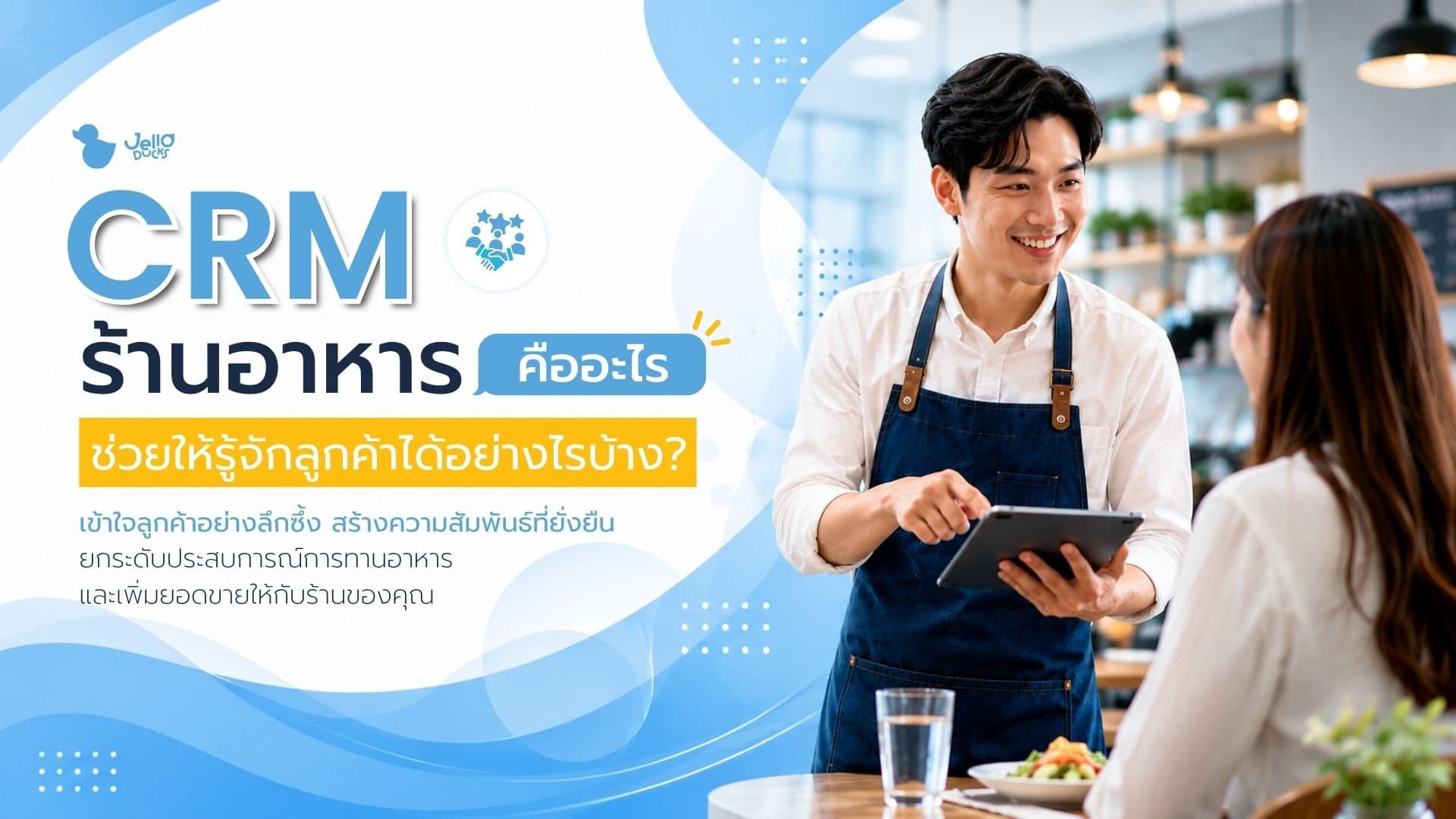
What Is Restaurant CRM and How Does It Help You Understand Your Customers?

Restaurants where customers keep coming back tend to do one thing better than most: they remember their customers — their names, their favorite dishes, even their food allergies. The feeling that 'this place knows me' builds loyalty far more effectively than a percentage discount.
In reality, most restaurants can only remember their most frequent visitors, and even that relies on individual staff members. When a staff member quits or the restaurant gets busy, that knowledge disappears with them. That's the problem restaurant CRM is designed to solve — by automatically capturing and storing every piece of customer information, available to retrieve at any time.
What Data Does a Restaurant CRM Capture?
A good restaurant CRM isn't just a digital contact book. It's a system that records every dimension of the relationship between the restaurant and each individual customer — from order history and favorite dishes, to average spend per visit, visit frequency, and behavioral patterns like whether someone tends to dine alone or in groups, and whether they typically order dessert.
This may sound like a lot of data, but all of it is generated automatically from every receipt issued in the restaurant — with no extra effort required from the customer. What makes this different from a handwritten notebook is that the system can instantly identify whether a customer is 'starting to drift away' or 'still visiting regularly' — and surface that status at a glance.
Where Does CRM Customer Data Come From — Do Customers Have to Fill Out Forms?

This is a common concern about CRM — people picture someone manually entering data one customer at a time, or customers being asked to complete surveys that most of them won't bother with.
In practice, understanding your restaurant customers through a good CRM requires no forms at all. The data comes from behavior customers are already doing: scanning a QR code to order, paying via LINE Pay, or redeeming loyalty points. Every time a customer does any of these things, the system automatically links that activity to their profile. The only first step is asking them to add your LINE account or register as a member — after that, every visit is recorded automatically with no additional steps.
Want to know how to collect customer data without making them feel intruded upon? Read: How to Collect Restaurant Customer Data Without Making Them Fill Out Forms
What Can Restaurants Actually Do with CRM Data?
Data is only valuable when it's put to use. With good customer data in hand, restaurants can send targeted promotions rather than blasting the same message to everyone. A restaurant using CRM can send a discount on a specific dish only to customers who have ordered it before, or send a special birthday offer to VIP customers — with the birthday data coming from the system itself.
There's another powerful capability: knowing a customer is about to leave before they actually do. If a customer who normally visits every week suddenly stops without any signal, the system alerts the restaurant. That creates an opportunity to reach out via LINE before the relationship drifts too far to recover.
A Real Example: What Does CRM Look Like in Practice?
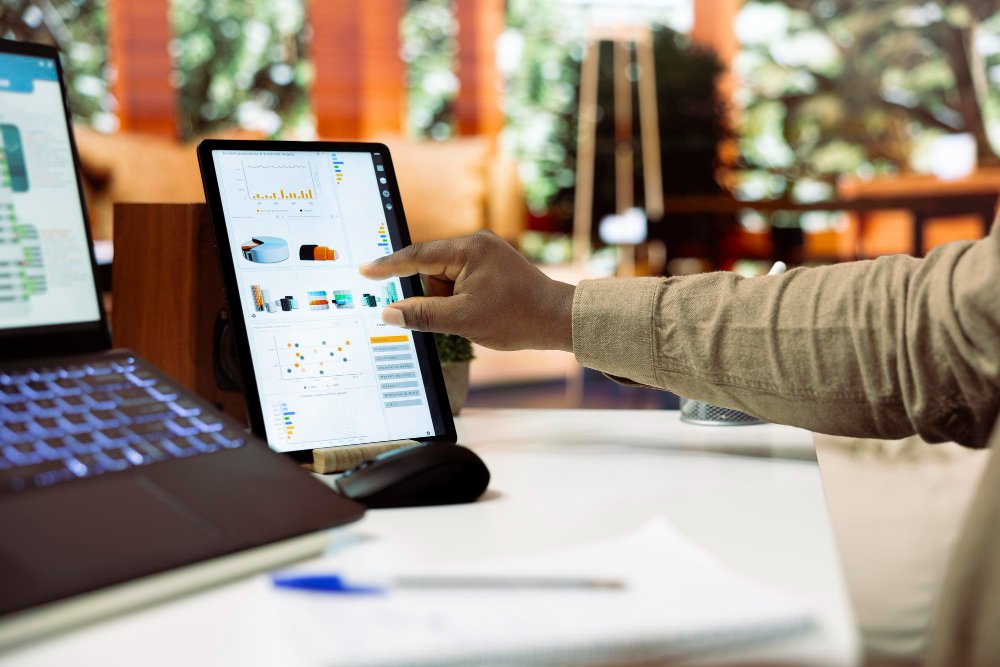
Picture two restaurants with similar sales volumes. The first has only a POS system. At the end of each month, it knows how much it sold — but not how many returning customers came back, and it has never sent a targeted promotion because it has no customer data to work from. When customers disappear, the owner just feels like 'things are quiet lately.'
The second restaurant runs both POS and CRM together. It knows that 40% of customers returned in the second month after targeted LINE messages began. It knows that 20 customers went missing last month — and that 12 of them came back after receiving a special offer. The difference isn't that their food is better. It's that the second restaurant actually knows its own customers.
To understand why most new customers don't come back, read: 7 Out of 10 New Customers Never Return — Here's How to Bring Them Back
And if you want to see what a 360° restaurant CRM actually looks like? Explore Jello Ducks CRM — every customer behavior recorded automatically from every transaction.
FAQ — Frequently Asked Questions
Q: How is CRM different from a Loyalty Program?
A loyalty program is what customers receive — points, discounts, rewards. CRM is the system that helps a restaurant understand its customers well enough to design a loyalty program that actually resonates. The two work together, not against each other.
Q: Is customer data in a CRM secure? What if the system crashes?
Modern CRM systems store data in the cloud with automatic backups. If an in-store device is damaged or stolen, all customer data remains fully intact and accessible from another device immediately.
Q: How many customers do you need before a CRM is worth it?
There's no minimum threshold. The sooner you start collecting data, the sooner you have something useful to work with. A restaurant serving around 50 customers per day already benefits from a CRM — especially when it wants to know what percentage of those are returning regulars.
If you want to know how to collect customer data without making anyone fill out a form, read How to Collect Restaurant Customer Data Without Making Them Fill Out Forms
And if you want to find out which customers are actually generating the most revenue for your restaurant, read Which Customers Make Your Restaurant the Most Money — and How to Analyze It
Share article:
More Articles
Recommended related articles
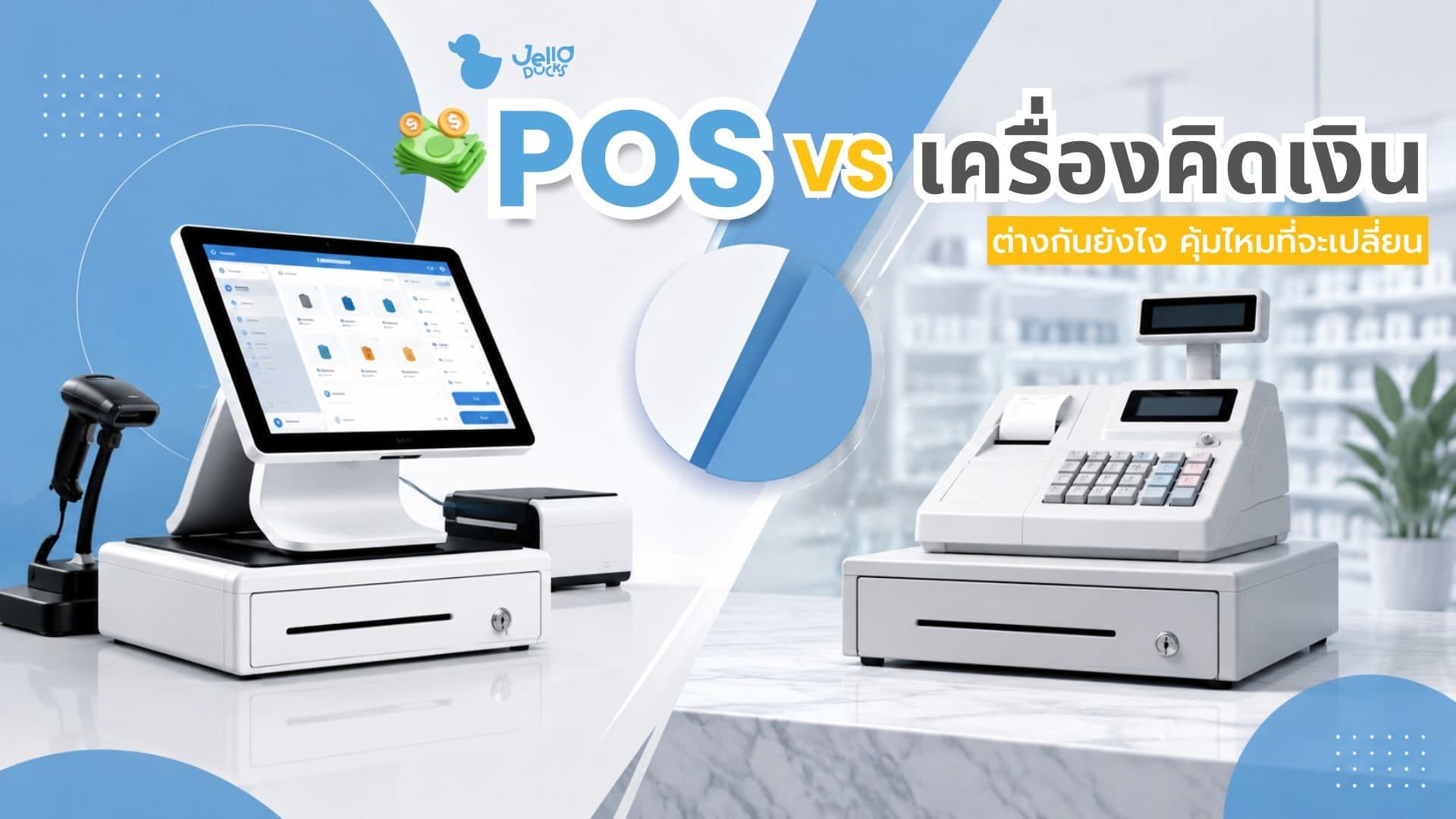
POS vs. Traditional Cash Registers. What's the Difference, and Is It Worth Switching?
หยุดใช้เครื่องคิดเงินแบบธรรมดา! ถ้าไม่อยากให้ร้านคุณเสียโอกาสไปมากกว่านี้

How to Collect Restaurant Customer Data Without Making Them Fill Out Forms
The best data comes from what customers actually do — not what they say they will

A Customer Goes Missing for 30 Days. How Much Chance Is Left to Win Them Back?
Customers don't decide to stop coming — they just run out of reasons to return