· Updated
Which Customers Make Your Restaurant the Most Money. And How to Analyze It!
The most frequent customer isn't always the most profitable one

Which Customers Make Your Restaurant the Most Money — and How to Analyze It
Most restaurants measure customer value by asking 'who comes most often?' — but that may not be the right question. A customer who visits every day and orders a 60-baht coffee may generate less revenue than a customer who comes once a month but brings a group of 10 and orders across the entire menu.
The concept of customer profitability means looking beyond visit frequency and asking how much profit that customer actually generates. This article walks through how to analyze customers from that angle.
Why Visit Frequency Isn't a Reliable Indicator

Consider two customers. The first comes in Monday through Friday, orders a 80-baht rice dish every time, and eats alone. In a month, they spend around 1,600 baht at your restaurant. The second comes just twice a month, but brings 5 colleagues each time. Their table consistently orders across multiple dishes — around 1,200 baht per visit. Over a month, that's 2,400 baht in revenue.
Measured by frequency, the first customer looks more valuable. Measured by actual revenue, the second is worth almost twice as much. Factor in the cost of service — table time, lower-margin dishes — and the picture may shift further still. Knowing this doesn't mean the first customer is unimportant. It means the restaurant should allocate its care and resources accordingly.
What Data Do You Need to Analyze Which Customers Are Actually Profitable?
A proper profitability analysis requires more than just total spend. The key things to look at are: cumulative revenue per customer over the past 90 days, visit frequency compared to order size each time, which dishes they typically order and the margin on those dishes, and whether they tend to bring other people along.
A CRM system connected to a POS will calculate all of this automatically from every transaction — no manual data exports or spreadsheet work required. Restaurants using such a system typically find that their top 20% of customers generate around 60 to 80% of total revenue.
Want to understand how CRM captures and uses this customer data? Read: What Is Restaurant CRM and How Does It Help You Understand Your Customers?
Once You Know Who Your Most Profitable Customers Are — What Do You Do Next?

Knowing which customers actually drive your profits leads naturally to the next step: allocating resources to match. Customers in your top tier deserve a different level of care — priority table reservations, exclusive offers not available to everyone, or simply having staff know their name and their favorite order.
This data also informs how you design your loyalty program. If your current points system rewards everyone equally regardless of how much they contribute to the restaurant's bottom line, you're likely delivering the same experience to high-profit and low-profit customers alike — which is not an efficient use of investment.
Want to design loyalty rewards based on real customer data — not guesswork? See Jello Ducks CRM — built to identify who actually drives profit, not just who visits most often.
FAQ — Frequently Asked Questions
Q: How much historical data do you need before the analysis is meaningful?
Thirty to sixty days is enough to start seeing trends. But 90 days or more gives a clearer picture — especially if your restaurant has seasonal patterns, like a busy period around public holidays. Three months of data helps filter out short-term variance.
Q: How is customer profitability different from customer lifetime value?
Customer profitability looks at the profit a customer generates over a defined period of time. Customer lifetime value (CLV) takes a longer view — estimating the total revenue that customer will generate over the entire relationship. Both metrics are useful, just in different contexts.
Q: If I find that some of my regulars have low profitability, what should I do?
Don't write them off. Instead, consider whether upselling or cross-selling is possible — recommending higher-margin dishes, or inviting them to bring a group next time. Some low-profitability customers bring value in other ways, such as referring new guests frequently, which should be factored into the assessment.
If you want to understand how CRM captures and uses customer data, read What Is Restaurant CRM and How Does It Help You Understand Your Customers?
And if you want to take this data and design a loyalty program that targets the right people, read Restaurant Loyalty Programs — Which Designs Make Money, and Which Lose It
Share article:
More Articles
Recommended related articles
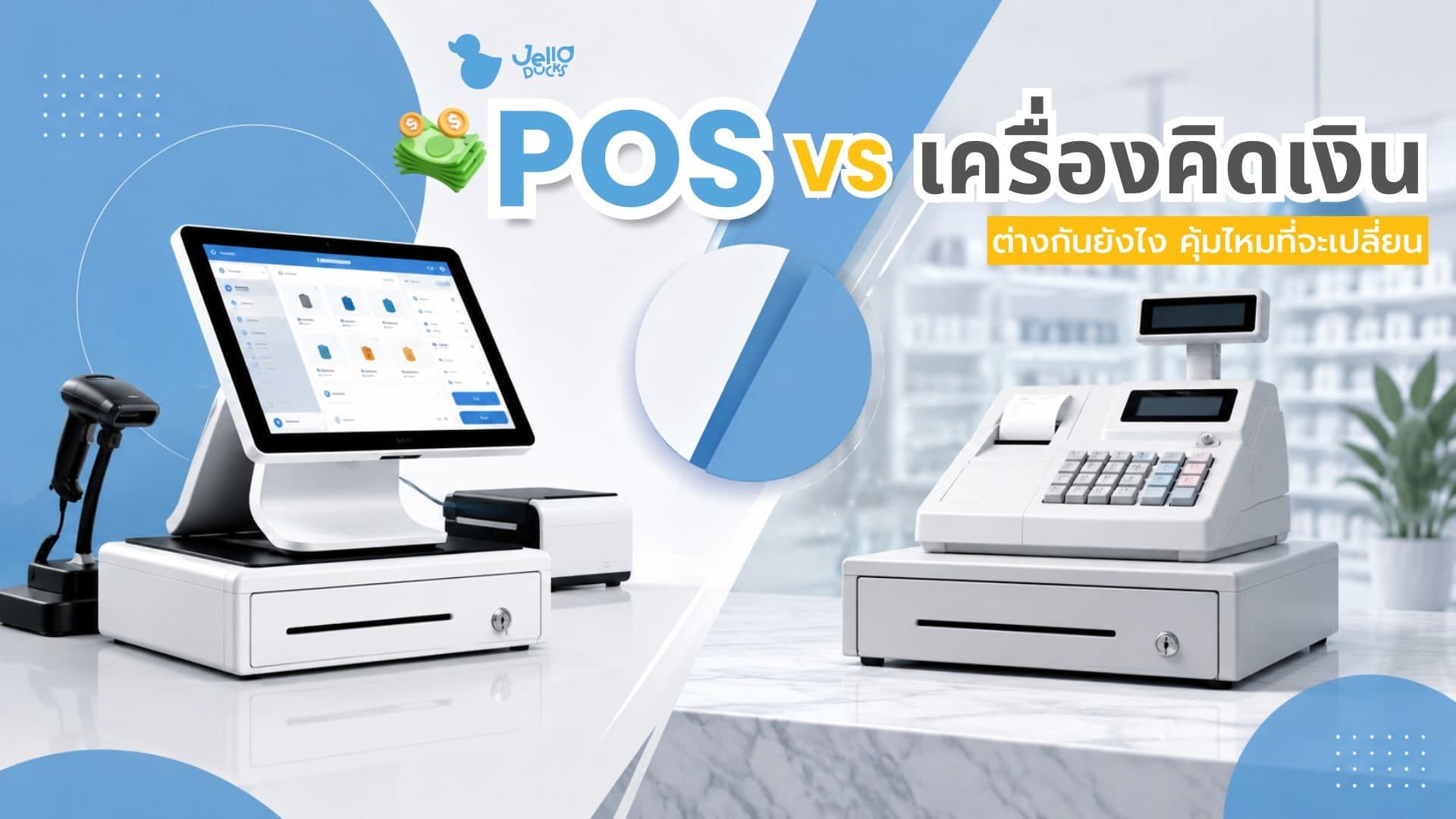
POS vs. Traditional Cash Registers. What's the Difference, and Is It Worth Switching?
หยุดใช้เครื่องคิดเงินแบบธรรมดา! ถ้าไม่อยากให้ร้านคุณเสียโอกาสไปมากกว่านี้

What Is Restaurant CRM and How Does It Help You Understand Your Customers?
Repeat customers don't come back just for the food

How to Collect Restaurant Customer Data Without Making Them Fill Out Forms
The best data comes from what customers actually do — not what they say they will