· Updated
Restaurant Loyalty Programs. Which Designs Make Money, and Which Lose It
Giving out points without knowing if they're worth it is a quiet way to lose money

Restaurant Loyalty Programs — Which Designs Make Money, and Which Lose It
Many restaurants have some form of loyalty program — typically a points system. But if you ask whether those programs are actually generating profit, the answer is often hard to give. Many restaurants hand out points continuously without ever calculating what those points cost them.
A poorly designed points system isn't just ineffective — it can genuinely cause a restaurant to lose money. This article breaks down what separates a loyalty program that strengthens your business from one that just creates a burden.
What's Wrong with Traditional Points Systems — and Why They Often Don't Work as Expected?

The most common type of loyalty program in restaurants is 'spend X baht, earn 1 point' — which sounds simple and fair. But there's a fundamental weakness: it calculates points based on purchase amount, not on the profit the restaurant actually receives. That means a customer ordering a high-priced but high-cost dish earns the same points as someone ordering a similarly priced dish with much better margins.
There's also the issue that this kind of system makes no distinction between customers who would have returned anyway and customers who only come for the points. If it's the latter group, once the points run out, they disappear — meaning the restaurant gave away discounts without building any real loyalty.
How Should a Good Loyalty Program Be Designed — to Keep Both Customers and Profit?
The principle that makes loyalty programs work better is designing them to align with the behavior you actually want to encourage. If the goal is to increase visit frequency, the points structure should reward frequency more than spend — for example, come 5 times this month and earn a special reward, rather than waiting to accumulate 1,000 baht in purchases which might take several months.
Another approach gaining traction is awarding points by dish — higher-margin items earn more points. This gives customers an incentive to choose dishes that are more profitable for the restaurant, rather than simply ordering the cheapest option to rack up spending. Non-monetary rewards also tend to outperform straight discounts: a special gift or an exclusive privilege that other customers don't have access to can generate stronger loyalty than a percentage off the bill.
Comparing Old vs. Well-Designed — How Different Are the Results?

Restaurants that switched from a 'spend 100 baht, earn 1 point' system to a behavior-based design typically find that their reward costs decrease while customer return frequency increases — because rewards are being directed toward people who are genuinely coming back, not distributed evenly across everyone.
What's needed before designing a good loyalty program is customer data. You need to know what each customer segment's behavior looks like, what kind of rewards resonate with them, and which menu items actually generate profit. A system that integrates POS and CRM makes these numbers visible without guesswork.
Want to design a loyalty program with real cost calculation and proper customer targeting? See Jello Ducks plans — with built-in Loyalty and Point System, powered by actual customer data.
FAQ — Frequently Asked Questions
Q: Does setting up a loyalty program require a large investment?
It depends on the format. If you're starting from a LINE OA you already have and a POS system that supports customer data collection, the additional cost is modest. The bigger investment is the time spent designing a system that genuinely fits your customers' behavior — but if done well, it pays back quickly.
Q: What about customers who only come in to redeem points and never pay full price?
This group is called deal hunters, and they exist in every loyalty program. The best way to handle them is to design the reward system so that redemptions only apply to high-margin items, or require pairing with a main dish purchase. This ensures that even discount-seekers still leave the restaurant having generated some profit.
Before designing your loyalty program, understand how different customers contribute differently to your profits — read Which Customers Make Your Restaurant the Most Money — and How to Analyze It
And if your core problem is that new customers aren't returning, read 7 Out of 10 New Customers Never Return — Here's How to Bring Them Back
Share article:
More Articles
Recommended related articles
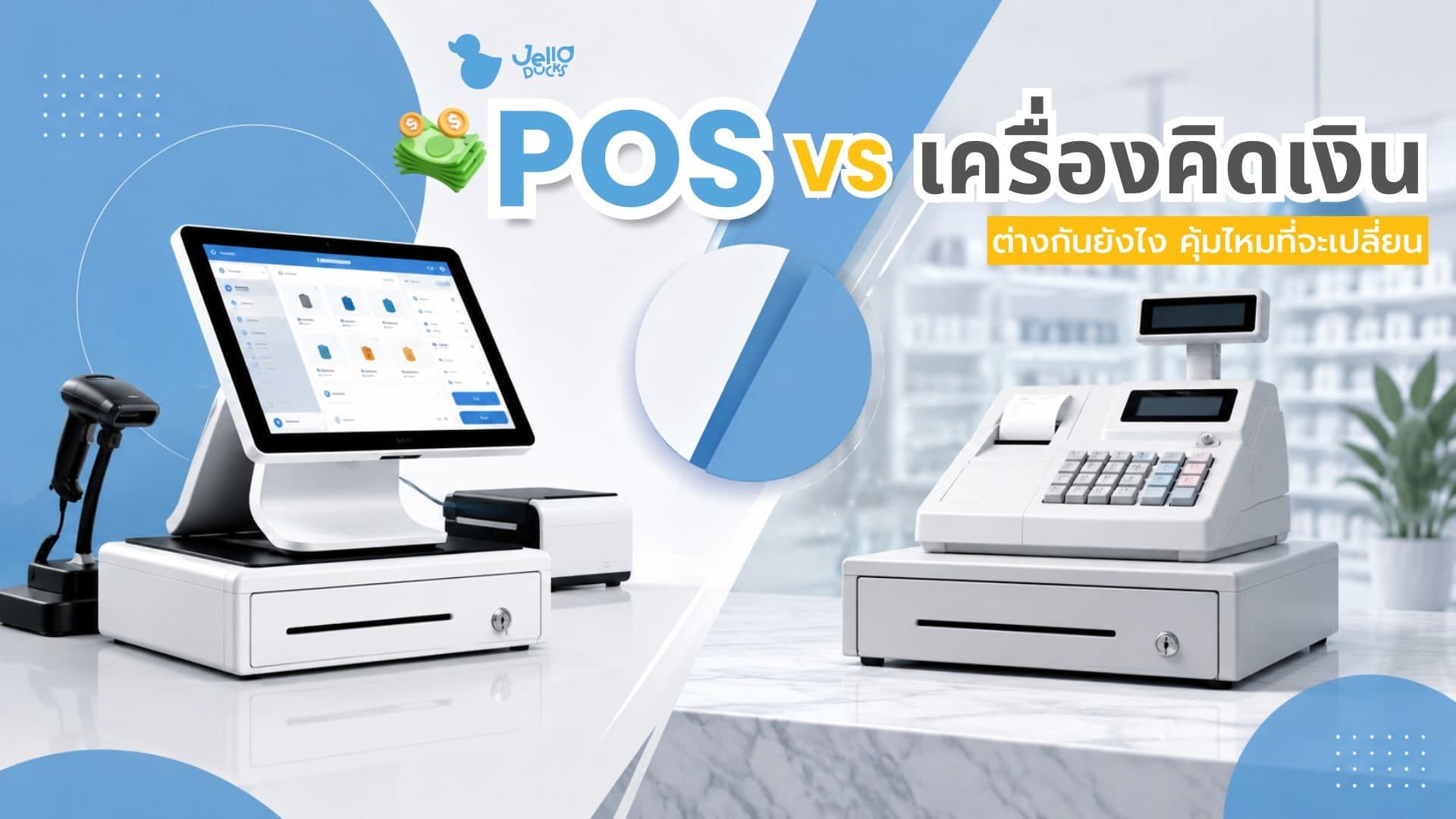
POS vs. Traditional Cash Registers. What's the Difference, and Is It Worth Switching?
หยุดใช้เครื่องคิดเงินแบบธรรมดา! ถ้าไม่อยากให้ร้านคุณเสียโอกาสไปมากกว่านี้

What Is Restaurant CRM and How Does It Help You Understand Your Customers?
Repeat customers don't come back just for the food

How to Collect Restaurant Customer Data Without Making Them Fill Out Forms
The best data comes from what customers actually do — not what they say they will