· Updated
How to Collect Restaurant Customer Data Without Making Them Fill Out Forms
The best data comes from what customers actually do — not what they say they will

How to Collect Restaurant Customer Data Without Making Them Fill Out Forms
Most restaurant owners know that understanding their customers matters. But when they think about how to collect data, the picture that usually comes to mind is a survey that customers don't want to fill in — or a staff member having to manually record details one by one, which is slow and nobody wants to do.
The truth is that the most accurate restaurant customer data doesn't come from surveys. It comes from behavior customers already do every day without realizing it. And the data gathered this way is far more reliable — because it reflects what they actually do, not what they say they'll do.
What Can a Single Receipt Tell You?
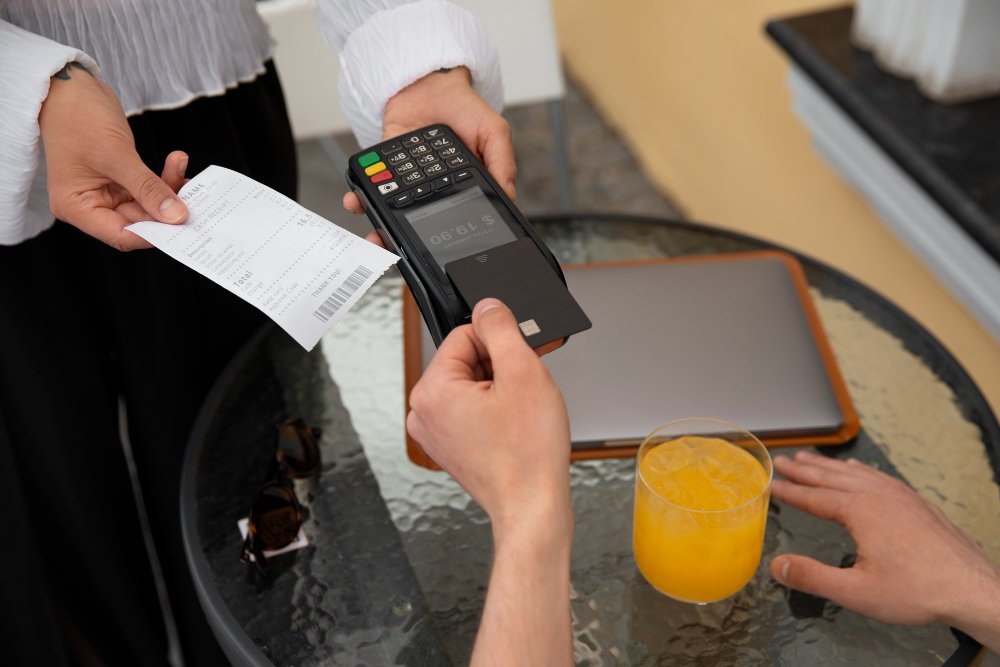
Every time a customer orders and pays, valuable information is generated automatically. The problem is that most restaurants don't capture it. From just one receipt, a good system can determine what type of dishes were ordered at that table, the average spend, what time they came in, and roughly how many people were in the group.
As data from multiple receipts accumulates, each customer's patterns become increasingly clear. Restaurants that store this information can see what a customer typically orders, whether they tend to come on weekdays or weekends, and whether there have been any gaps in their visits — all without the customer having to do anything extra.
How Does a Good System Collect Customer Data Automatically — Without Feeling Intrusive?
Quality automatic customer data comes from customers doing what they already do — not from asking them to do something extra. The methods that work well in Thai restaurants fall into a few categories. The first is QR code ordering: when a customer scans to view the menu and place an order, if they log in via LINE, the system recognizes them automatically. The second is LINE OA with a loyalty program: a customer adds LINE once to collect points, and from that point on, every visit is linked to their profile without any repeated prompting.
The key reason this doesn't feel intrusive is that customers must opt in first — and if the loyalty program is genuinely worthwhile, such as earning points toward a meaningful discount, most customers are happy to participate. They're getting something in return, not just handing over their data for nothing.
What Can You Do with the Data Once You Have It?
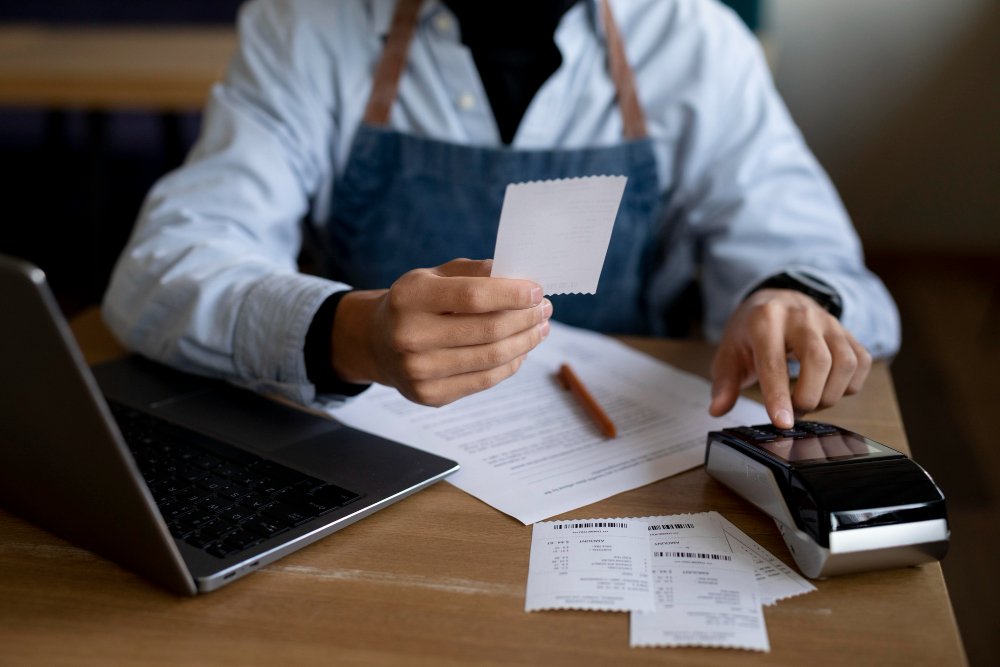
Data drawn from real customer behavior is more valuable than survey responses, because it reflects what actually happens — not what customers claim to prefer. With this data, restaurants can segment customers by actual behavior: the group that only comes for lunch, the group that visits with family on weekends, the group that tends to order premium dishes. Each segment can then be communicated with differently.
This data also helps detect customers who are starting to disappear. If a regular weekly customer stops coming for more than 30 days, the system sends an alert — creating a chance to win them back before the relationship fades entirely.
Want to start collecting real customer data without making anyone feel intruded upon? See Jello Ducks CRM — data captured automatically every time a customer orders and pays.
FAQ — Frequently Asked Questions
Q: Does collecting customer data this way violate PDPA?
No — as long as it's done correctly. The key requirement is that customers must give consent first, which typically happens through membership sign-up or adding your LINE OA. A well-designed system will include a proper PDPA-compliant consent process built in, so you don't have to build it yourself.
Q: What if a customer pays cash and doesn't register as a member — can I still collect their data?
In that case, the system can only capture anonymous-level data: what was ordered at that table, how much was spent. It won't know who placed the order. That data is still useful for analyzing menu performance and identifying peak hours, even without individual customer profiles.
If you want to understand what restaurant CRM is and how the data you collect will be put to use, read What Is Restaurant CRM and How Does It Help You Understand Your Customers? And once you have customer data in hand, the next step is analyzing who is actually generating the most revenue — read Which Customers Make Your Restaurant the Most Money — and How to Analyze It
Share article:
More Articles
Recommended related articles
POS vs. Traditional Cash Registers. What's the Difference, and Is It Worth Switching?
หยุดใช้เครื่องคิดเงินแบบธรรมดา! ถ้าไม่อยากให้ร้านคุณเสียโอกาสไปมากกว่านี้

What Is Restaurant CRM and How Does It Help You Understand Your Customers?
Repeat customers don't come back just for the food

A Customer Goes Missing for 30 Days. How Much Chance Is Left to Win Them Back?
Customers don't decide to stop coming — they just run out of reasons to return