· Updated
Menu Profit Analysis — Best-Selling Dishes and Most Profitable Dishes Are Not the Same Thing
Your best-selling dish isn't always your most profitable one

Menu Profit Analysis — Best-Selling Dishes and Most Profitable Dishes Are Not the Same Thing
The best-selling dish in your restaurant and the most profitable dish are rarely the same item. This is a reality many restaurants have never discovered — because they've never separated the two numbers. Some owners only realize it when reviewing their accounts and finding that the dish customers ask for most often has some of the lowest margins in the house.
Analyzing your menu deeply enough to distinguish between 'sells well' and 'makes money' is one of the most important skills for any restaurant owner who wants to run their business from data rather than gut feeling.
Why Do Best-Selling Dishes Often Have Poor Margins?
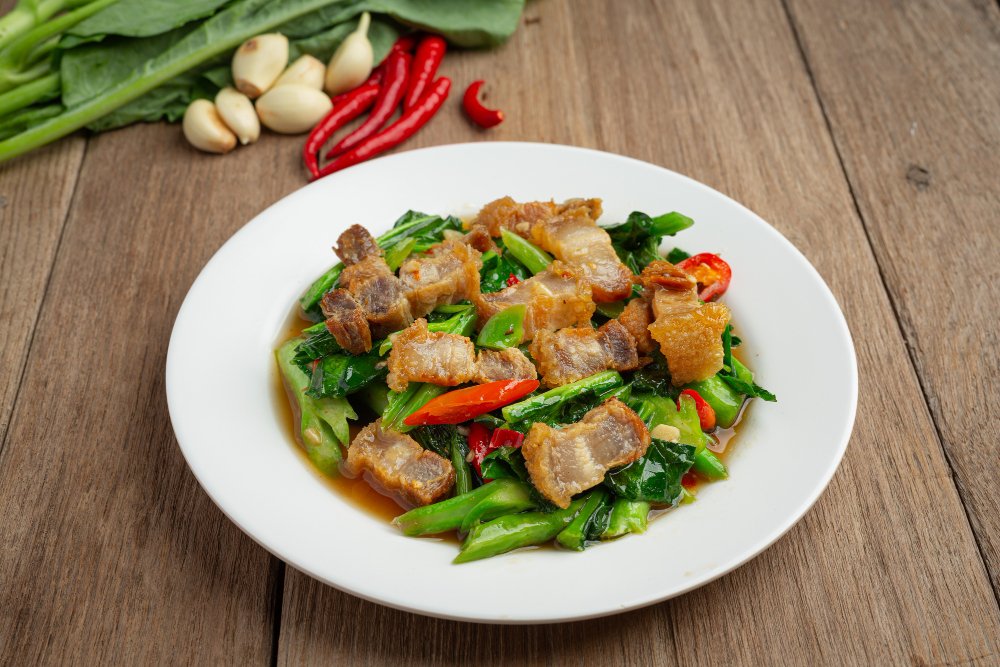
The main reason is the significant difference in ingredient costs between dishes. The dishes customers order most often tend to be affordable and easy to prepare — but that doesn't mean the profit margin is good. A common example: a fried rice dish at 80 baht selling 50 portions a day, compared to a fried fish dish at 180 baht selling just 10 portions a day.
If the fried rice has an ingredient cost of 30 baht per portion, the margin is 50 baht. Multiplied by 50 portions, that's 2,500 baht in gross profit. If the fried fish has an ingredient cost of 60 baht per portion, the margin is 120 baht — but multiplied by only 10 portions, that's 1,200 baht. On total profit, the fried rice wins. But if you promoted the fried fish enough to sell 20 portions a day, the gross profit would jump to 2,400 baht — almost matching the fried rice while selling just half as many portions.
How Do You Analyze Which Dishes to Promote and Which to Fix?

The standard framework for restaurant menu analysis divides dishes into four groups across two dimensions: popularity (high or low sales volume) and profitability (high or low margin). The group that deserves the most attention is 'low popularity, high margin' — because these dishes only need better promotion to lift their sales. Meanwhile, 'high popularity, low margin' dishes should be examined for cost reduction opportunities, portion adjustments, or modest price increases if customers will accept them.
The data you need is sales volume per dish and ingredient cost per portion. If you already have a POS that records sales by dish, the additional step is entering the ingredient cost of each dish into the system. After that, the system calculates the margin and displays the full picture automatically — no spreadsheet work required.
Want to understand how POS and CRM systems can help you analyze this data? Read: What Are POS and CRM? Why Every Restaurant Needs Both
A Real Example: A Restaurant That Adjusted Its Menu Using Data — and What Changed

A made-to-order restaurant found through data analysis that its top three best-selling dishes had an average margin of just 35%. Meanwhile, certain seafood dishes carried margins as high as 55% — but were selling poorly because they weren't being highlighted in the menu.
After repositioning those seafood dishes more prominently and training staff to recommend them first, sales in that category increased by around 40% within one month. Overall revenue didn't rise dramatically — but net profit improved noticeably. That's the difference between running a restaurant on instinct and running it on data.
Want to know which dishes are actually the most profitable — not just which ones sell the most? See Jello Ducks POS — with per-menu profit analysis built from real sales data.
FAQ — Frequently Asked Questions
Q: How often should you run a menu profit analysis?
At minimum, every three months — or any time ingredient prices change significantly. In the Thai market, ingredient costs can be highly volatile. A dish that had a healthy margin last quarter may have a much weaker one if a key ingredient has risen in price.
Q: Do you always have to raise prices if a dish has too-low margins?
Not necessarily. Other options include reducing ingredient costs without affecting quality, adjusting portion sizes, or promoting higher-margin dishes more aggressively to compensate. Raising prices should always be the last resort — and ideally tested with customers first.
For menu analysis to be fully effective, pair it with knowing which customers are actually generating the most revenue — and which dishes they tend to order. Read Which Customers Make Your Restaurant the Most Money — and How to Analyze It
And if you're not yet sure how POS and CRM support this kind of analysis, start with the basics at What Are POS and CRM? Why Every Restaurant Needs Both
Share article:
More Articles
Recommended related articles
POS vs. Traditional Cash Registers. What's the Difference, and Is It Worth Switching?
หยุดใช้เครื่องคิดเงินแบบธรรมดา! ถ้าไม่อยากให้ร้านคุณเสียโอกาสไปมากกว่านี้

What Is Restaurant CRM and How Does It Help You Understand Your Customers?
Repeat customers don't come back just for the food

How to Collect Restaurant Customer Data Without Making Them Fill Out Forms
The best data comes from what customers actually do — not what they say they will